
In April, violence erupted in Sudan, engulfing the country in chaos. Thousands of people were killed, with millions more displaced in the months following.
More than 6 million people fled their homes and to shelter with relatives or in crowded temporary camps, sometimes in neighbouring countries.
In the first weeks of the emergency, hospitals faced a crippling shortage of essential items and medicines, while shortages of food and water remained an issue in parts of the country throughout 2023, with rising prices leaving even basic goods beyond the reach of many families.
There are more than 24.7 million people in need of humanitarian assistance in Sudan. For many of them, a return to normal life seems completely out of reach.
A deteriorating humanitarian situation
The crisis exacerbated many of Sudan’s existing challenges, including displacement, economic and political instability, causing the humanitarian situation to deteriorate.
The number of women and girls at risk of gender-based violence (GBV) rose to an estimated 4.2 million people since April 2023, according to the UN. In addition, attacks on healthcare facilities and aid workers further deprived women and girls of access to life-saving care, with pregnant women most severely affected.
Crops and livestock were destroyed, leaving families without a steady income, and millions of people were experiencing acute hunger, while diseases such as malaria and measles became rife.
The country’s health system struggled to cope – more than 70 per cent of healthcare facilities in Sudan were forced to shut down. The fighting also destroyed key infrastructure, the loss of which will have long-lasting effects on communities.
Adapting to a challenging context
When the crisis began, Islamic Relief was forced to suspend our regular programming in Sudan. However, we continued working through local partners to supply hospitals in the capital, Khartoum, with food and vital medicine. We also set up medical centres, which have treated more than 46,000 people since the crisis began.
Elsewhere, we provided food, water and medical supplies to thousands of people in Al Jazirah, as well as in parts of Khartoum State and North Kordofan.
We delivered vital humanitarian assistance to more than 559,000 people affected by the crisis in 2023. This included distributing food, water, temporary shelters and cash. We also provided 100,000 farmers with seeds to help boost their income during a time of great uncertainty.
As Islamic Relief will continue to serve communities affected by the crisis in Sudan, we call for meaningful peace dialogues and a commitment to ensuring the safety and wellbeing of citizens, who are paying the price for the ongoing fighting.
Protecting the dignity of displaced people
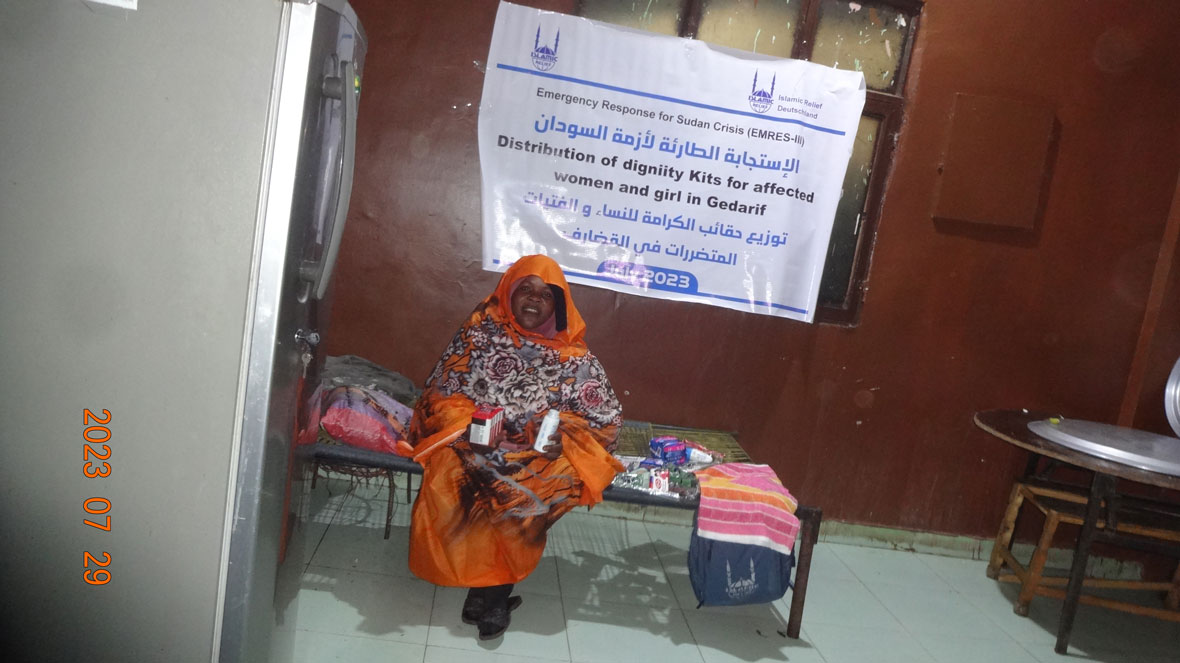
Hawa’s family fled violence in Khartoum, arriving at an IDP camp, a temporary shelter for displaced people. Here, Islamic Relief provided clothing, and other items, to those who left home with nothing.
Without suitable clothes, women and girls faced challenges leaving their shelters and accessing life-saving services for themselves and their families.
“When I reached here, I just had one dress. I had to wear it repeatedly for three months, I was not able to wash it. I could not move confidently.
“I am more comfortable now I can change and wash my clothes. I freely move around inside as well as outside the IDP centre with confidence.”
Lives upended
Our staff in Sudan are living through many of the same challenges affecting the communities we support. In the face of danger and displacement, their commitment to helping people in need remains unshakeable.
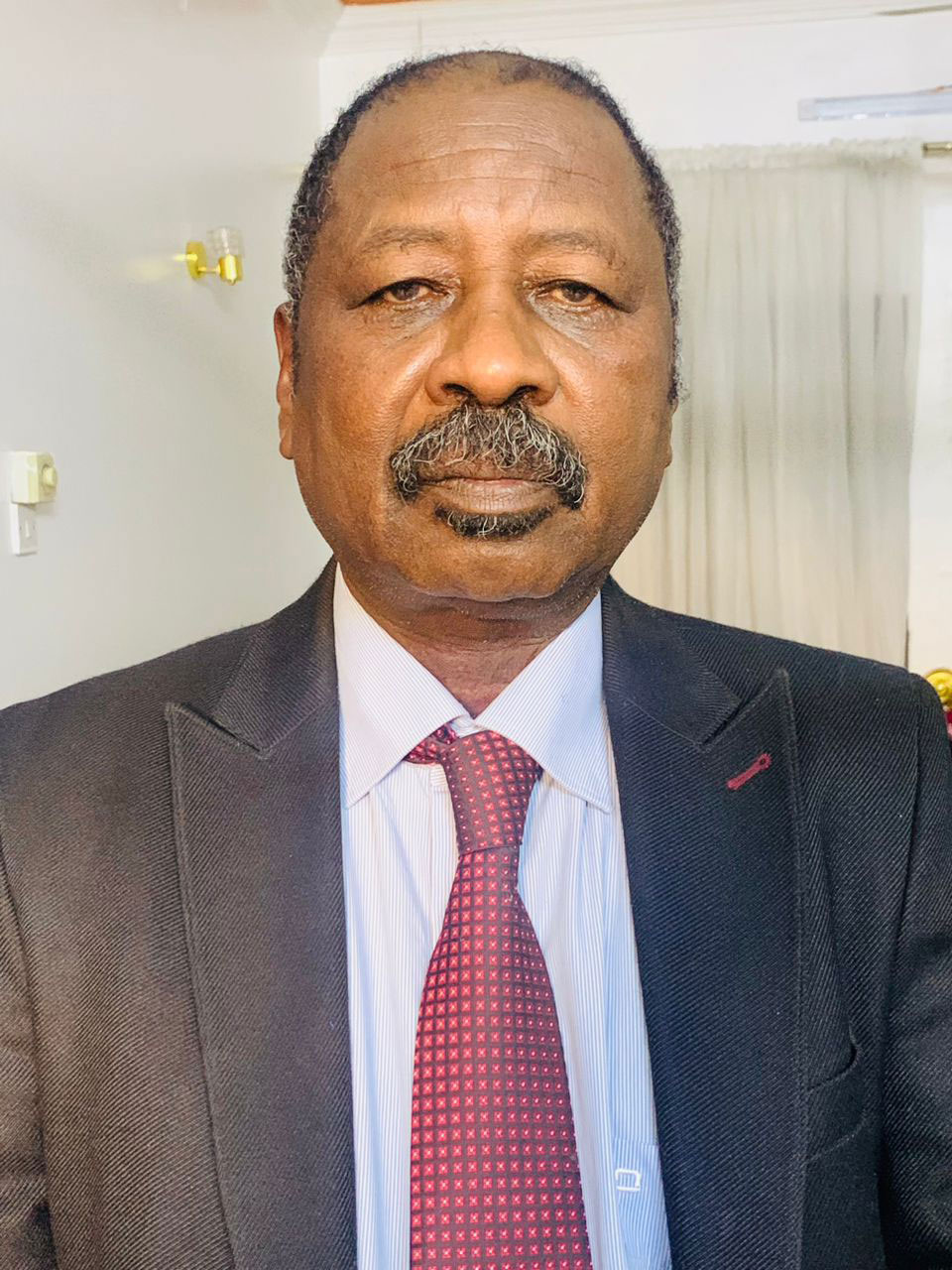
Elsadig Elnour
Country director
“I recall spending 24 harrowing days in Khartoum, barricaded under the bed with my family, facing shortages of essential resources and threat of violence.
“The risk I took to evacuate my family, including my two-month-old granddaughter, through seven perilous checkpoints was extreme and filled with harassment and fear. It has left deep emotional scars.
“I don’t know what has become of my house in Khartoum. All I know and focus on now is continuing our work to serve those who need us the most.”
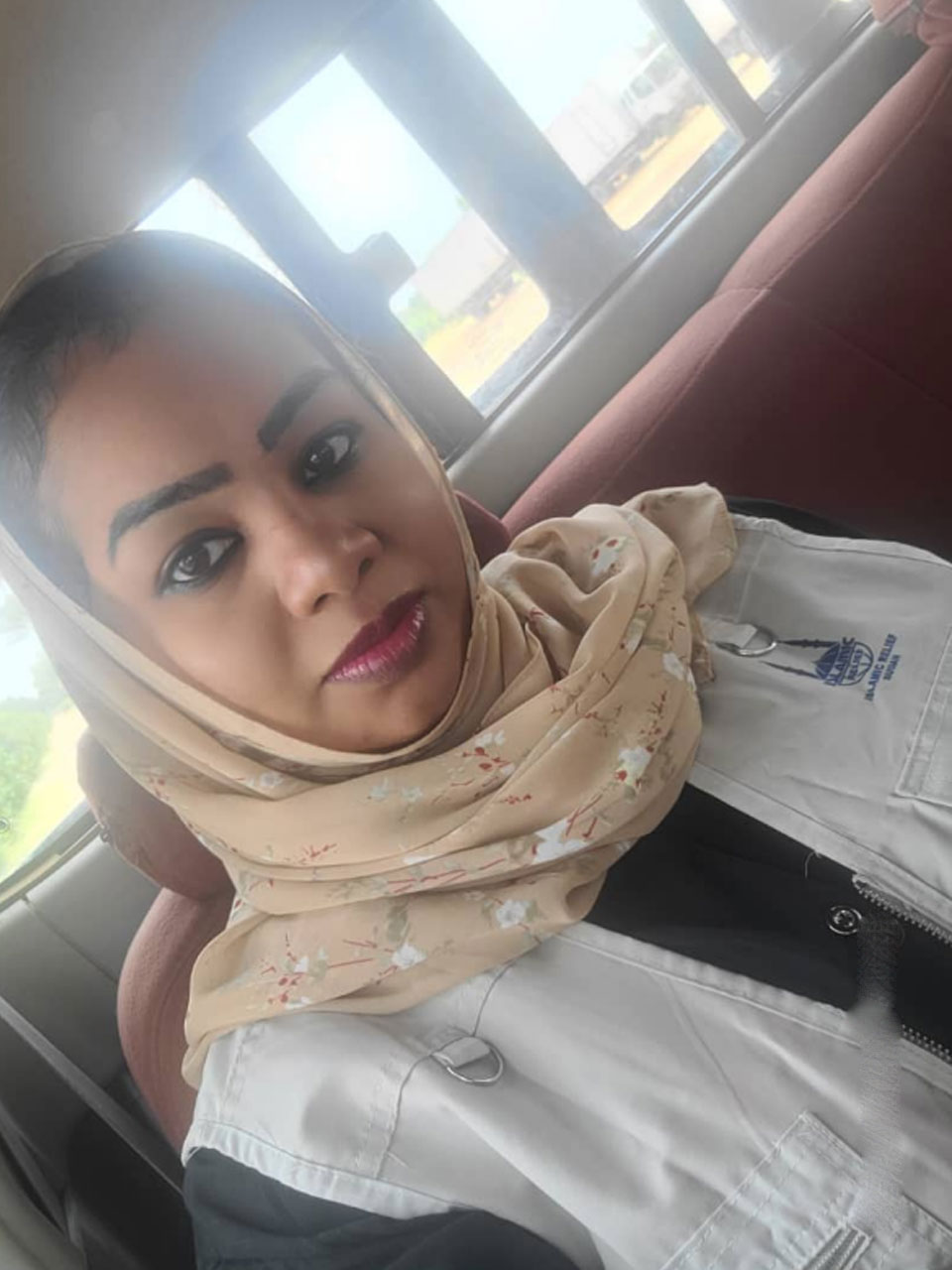
Israa Suliman
Admin and procurement officer
“I travelled to Saudi Arabia to perform Umrah in April, not knowing that I would end up separated from my children for five months. This war started in a blink of an eye, I was worried sick about my children and family in Sudan at risk of bombardment.
“Missiles would strike near my children and stray bullets punctured the house while they were sleeping. I suffered unbearable anxiety whenever telecommunications broke down because I could not contact my children. I would go days without any sleep. I feared I would never see them again.
“My heart was always with my children, family, and loved ones. My children experienced mental breakdowns, while I tried my hardest to compose myself when talking with them. I was not with them physically, so I had to try and be with them mentally. It broke my heart that I could not be with them during such a horrifying experience, but I accepted Allah’s fate. My youngest, Eyad, is only four years old and is now suffering from nighttime panic attacks.
“Alhamdulillah, eventually, my children and their father managed to get out of Khartoum. I lost most of my belongings to theft, but I am very thankful for my family’s safety. I hope that my children can recover from their trauma. I am now reunited with my family and back to my humanitarian work.”
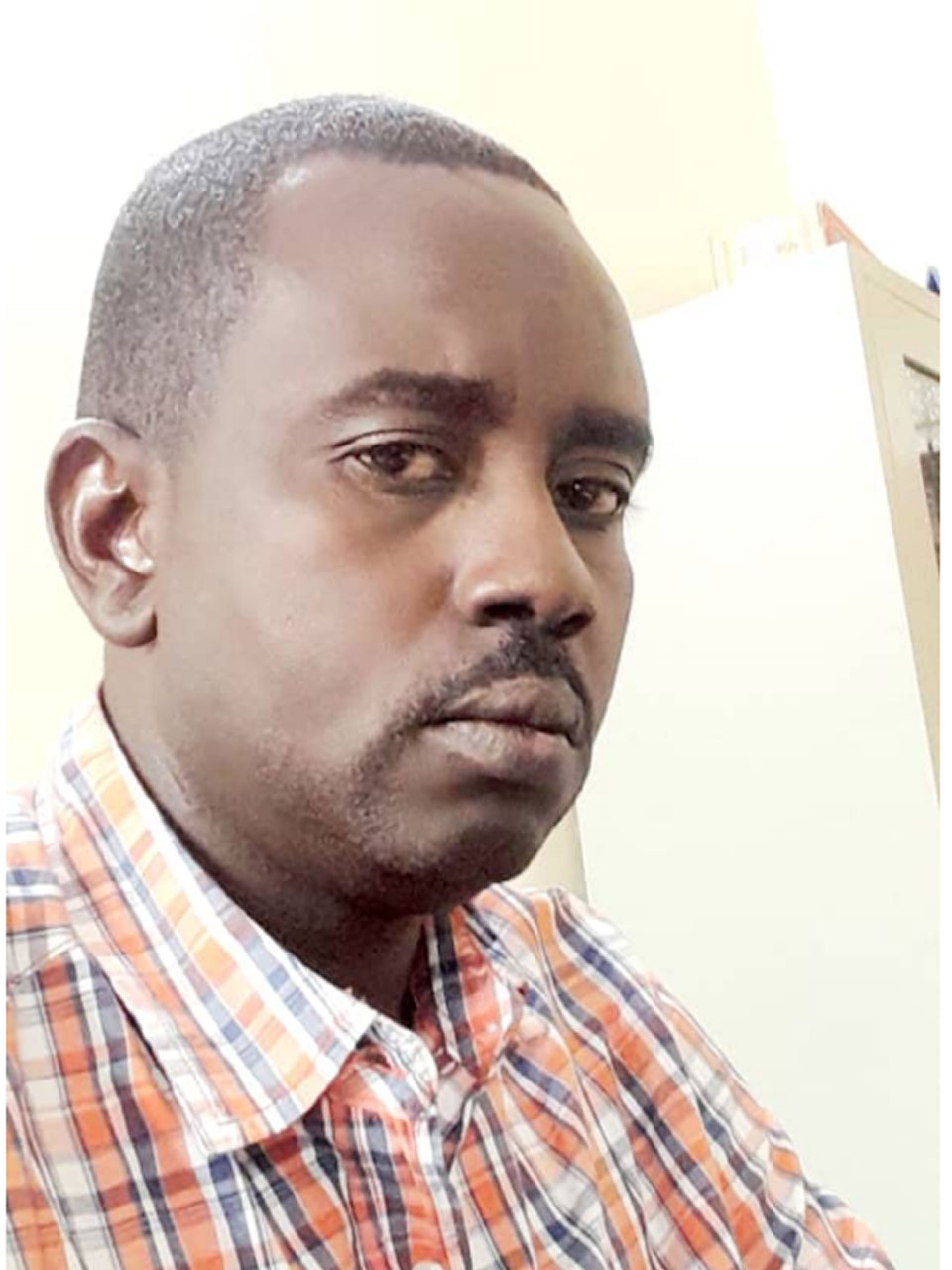
Mohamed Teiman
Finance officer
“My family and I embarked on a journey from Elgenina to the border with Chad. The path was far from easy, and vehicles were hard to come by and expensive. Along the way, I encountered destruction, and even death.
“I was fortunate to have the means to travel safely, unlike those who had no choice but to flee on foot. Every day, I’m reminded of the strength and determination of the people I serve, and I feel a profound responsibility to help them.”
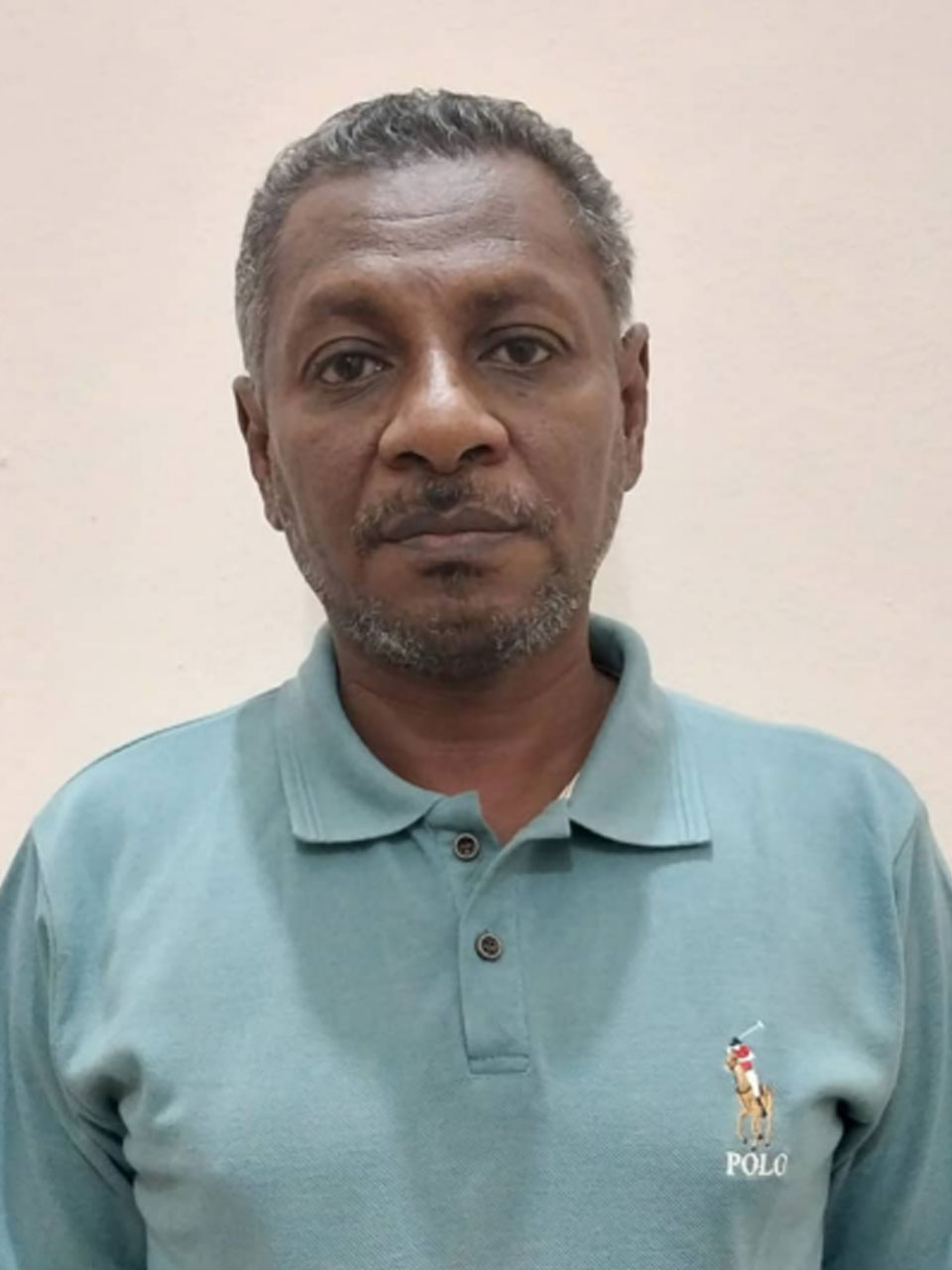
Yassir Mohamed Ibrahim
ICT and logistics coordinator
“My children were traumatised by the horrific sounds of gunfire. My apartment was looted – they even stole our spoons!
“My family and I had to flee to safety. I continue to serve Islamic Relief’s mission, through all these tribulations, because above all, I am not just an employee, I am a humanitarian.”