
2023 saw Islamic Relief responding to several major emergencies around the world. While we helped affected people meet their most immediate needs for food, water and shelter, we also worked to campaign for humanitarian access in situations where it was impeded and called on the international community to engage and commit to resolving deep-seated issues that contributed to some of the disasters communities suffered in 2023.
In responding to emergency situations, Islamic Relief added our voice to calls from the humanitarian community by becoming signatories of joint statements on the Occupied Palestinian Territory, Niger, Yemen and other crises.
Celebrating the resilience of refugees and displaced people
Inspired by Islamic teachings on providing asylum to those fleeing persecution, Islamic Relief is not only responding to the material needs of refugees and displaced people around the world, but also campaigning on their behalf.
In June, we marked World Refugee Day by celebrating the resilience of those forced to leave their homes with a webinar featuring Islamic Relief staff who work directly with refugees and displaced people discussing community integration and the importance of global solidarity.
Focusing on this year’s theme of ‘Together We Heal, Learn and Shine’, we also shared stories of some refugees Islamic Relief is supporting on our website and social media channels.
Prior to devastating flooding in 2022, Pakistan was experiencing its worst economic crisis in recent history, with high inflation and skyrocketing fuel prices. The damage and economic loss sustained during the floods have left Pakistan with more debt than ever, raising serious concerns that the country could be on the verge of default.
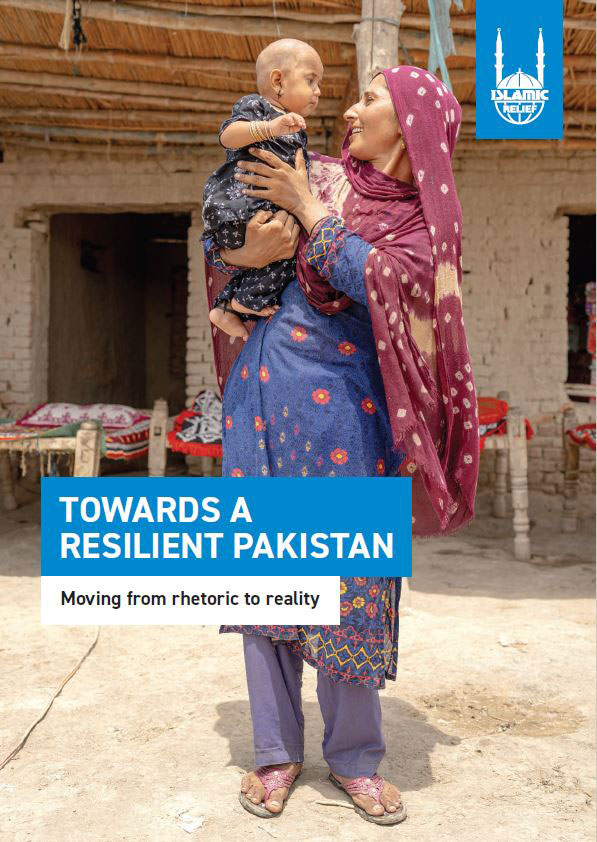
One year on from devastating flooding in Pakistan, we produced Towards a Resilient Pakistan: Moving from rhetoric to reality.
This report details recovery efforts up to that point and advocates for a stronger and fairer humanitarian and international response to climate-related disasters in which sees rich nations do much more to compensate the people who are most affected by climate change.
The report was presented as part of a Pakistan: One Year On event run by Islamic Relief in Islamabad in August. The event was attended by more than 100 guests including international donors, diplomats, academics and representatives of the media, the UN and the government of Pakistan, and explored lessons from the flood response.
A voice for women and girls in Pakistan and Indonesia
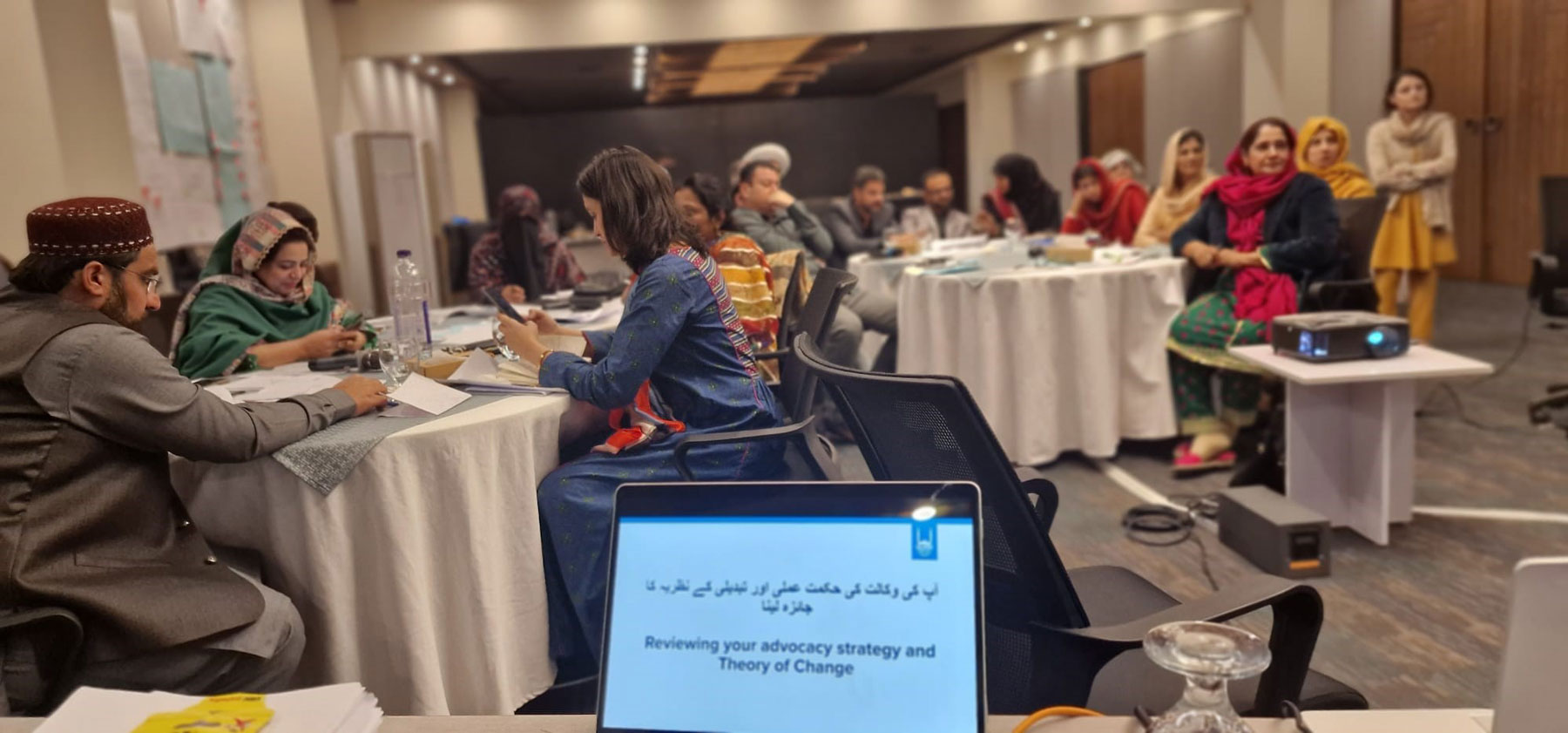
Islamic Relief’s EMPOWER project is supporting change in Pakistan and Indonesia, where training and grants were provided to local humanitarians to carry out advocacy and behavioural change campaigns at the local and national level using a faith-based approach.
In Pakistan, campaigns addressing domestic violence and promoting girls’ education ran across four regions. They were developed in collaboration with religious and community leaders, figures from academia and government departments to highlight Islamic teachings on domestic violence and girls’ education through short videos, public rallies, radio broadcasts and social media content with the aim of influencing legislation, policy and community practice.
In Indonesia’s Aceh and West Nusa Tenggara (NTB) provinces, EMPOWER is working to address GBV and early marriage through building alliances and increasing coordination between local faith networks, and training village officials, teachers and others on Islamic perspectives on gender justice and child protection in order to support social change.
Photo
Participants take part in training as part of the EMPOWER project in Pakistan